


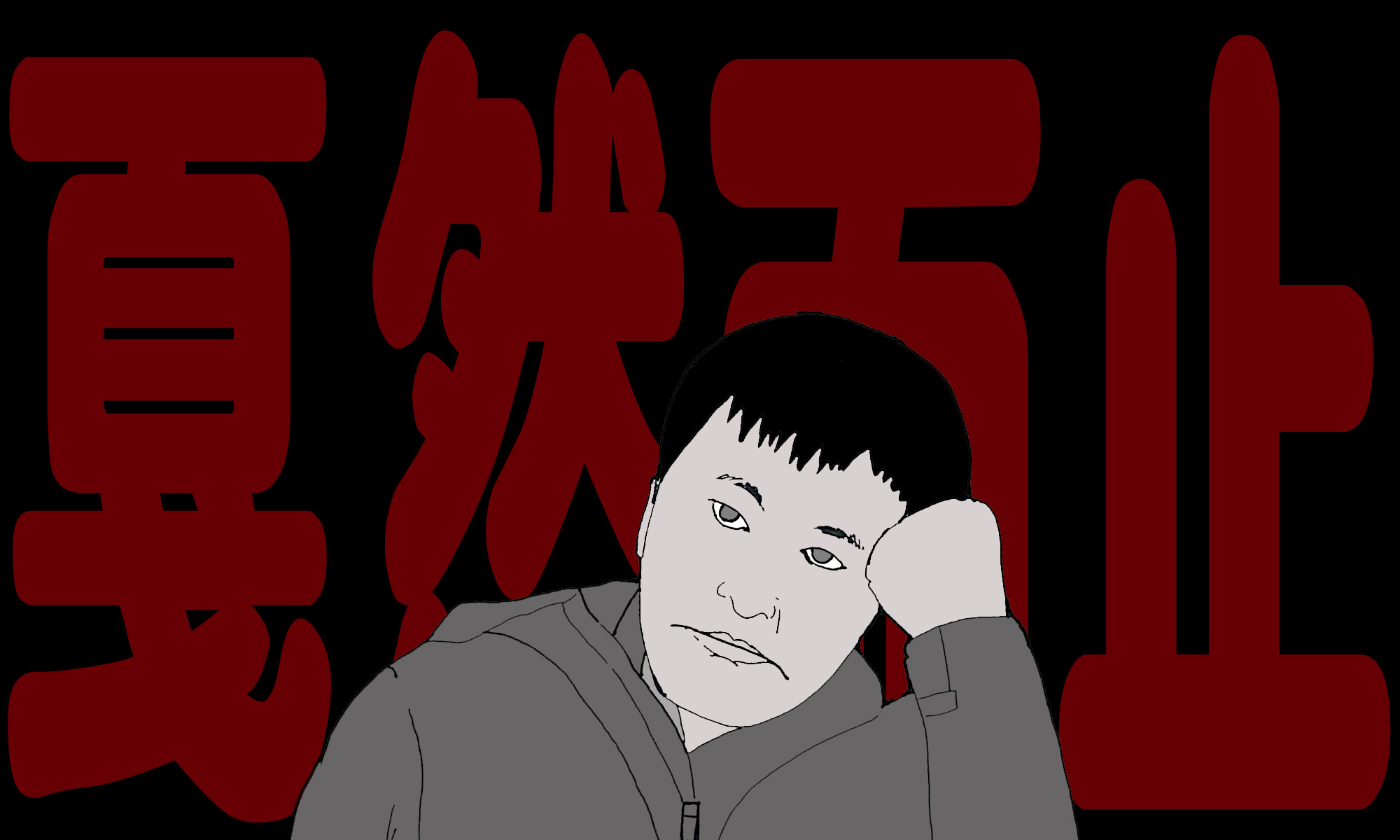
Our phrase of the week is: “an abrupt end” (戛然而止 jiá rán ér zhǐ)
Context
On March 24, education influencer Zhang Xuefeng (张雪峰) died suddenly in Suzhou from cardiac arrest. He was only 41 years old.
For readers of Sinica Phrase of the Week, Zhang Xuefeng is a familiar name. He is one of China’s most recognisable internet celebrities, and has made a name for himself as a “gaokao college application planning advisor” (高考志愿规划师).
Zhang capitalised on his fame and built a successful education business. Many criticised him for “making money off people’s anxieties” (靠焦虑来赚钱). But for millions of parents he offered a lifeline to navigate the pressures of academic results, university choices, and graduate employment.
His sudden death came as a shock to many, as one commenter put it:
Some mourned the loss of a straight shooter who dared to speak the truth.
Others were struck by how his life was brought to an abrupt end.
“So it turns out people don’t only die when they’re old. People can die at any moment.”
有人惋惜世上少了一个敢讲真话的硬骨头;也有人被这种“戛然而止”击中——“原来人不是到老了才会死,人是随时都会死的”。
And with that, we have our Phrase of the Week.
What it means
“An abrupt end” is the translation of a classical Chinese idiom, whose individual characters mean: “a sound that stops unexpectedly” (戛然 jiá rán), “and thus it stops” (而止 ér zhǐ).
The idiom originates in the Comprehensive Meaning of Literature and History (文史通义), a major work of literary criticism written by Zhang Xuecheng (章学诚), a prominent historian and philosopher of the Qing Dynasty.
In a chapter titled Ten Flaws of Classical Prose (古文十弊), Zhang uses the phrase to describe the dramatic rhythmic effect a skilled writer can achieve:
“Great writing follows a path that is as mysterious and masterful as those of the gods.
It arrives like a sudden bolt of lightning, and it ceases with an abrupt, sharp silence.
Has there ever been a truly great work that did not possess such power?”
夫文章变化,侔于鬼神,斗然而来,戛然而止,何尝无此景象?
Zhang was explaining the most powerful prose keeps a reader off balance, by throwing in surprises, and cutting out just as sharply. So here the idiom carries it’s literal meaning — a sudden, abrupt stop in mid-flow.
Over the years it’s use extended do describing anything which comes to an abrupt end. In modern Chinese, the idiom most commonly appears as an adverbial describing the moment something unexpectedly ends, such as a life.
In the context of Zhang Xuefeng’s sudden death, the idiom describes how a life was tragically brought to an end so abruptly, and underscores how shocked people are by his death, and the fragility of life.
Andrew Methven is the author of RealTime Mandarin, a resource which helps you bridge the gap to real-world fluency in Mandarin, stay informed about China, and communicate with confidence—all through weekly immersion in real news. Subscribe for free here.
