


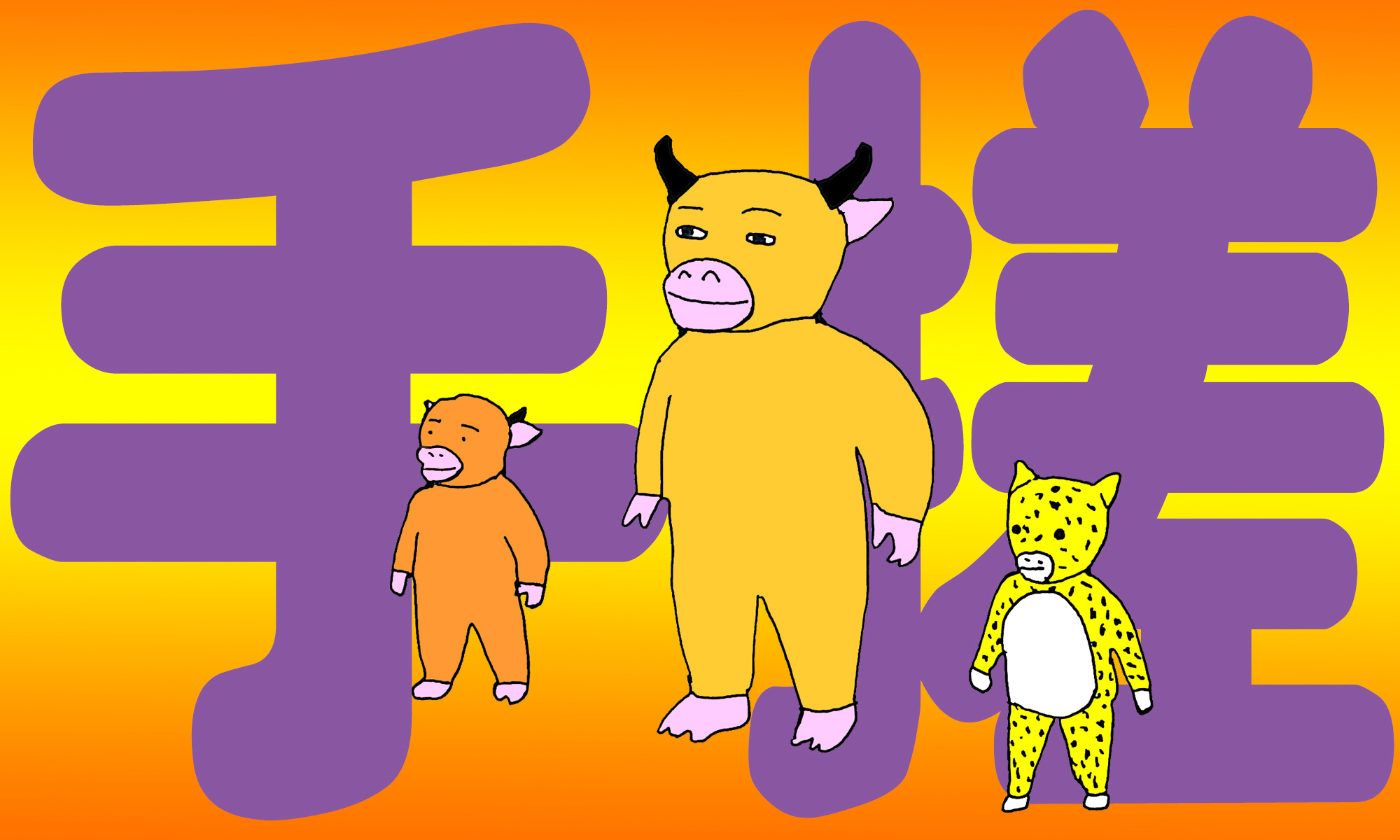
Our phrase of the week is: “handcrafted from scratch” (手搓 shǒu cuō)
Context
Here Comes the Cow (牛来), or Niu Lai as it’s also known in English, is an animated film which opened in Chinese cinemas on August 5.
In its first nine days, the film took just 7,169 yuan nationwide, roughly a thousand US dollars, from only 236 viewers. The few people who did see it were blunt about how terrible the animation was, comparing it to the crude paper effigies burned as offerings to the dead.
But then the film began to draw attention from finance bloggers.
They noticed the title could be interpreted as “the bull market is coming”. So they joked that with a name as auspicious as that, investors had a duty to watch it.
As the joke spread, people started digging into the film further. It was made by just two people: a 34-year-old man named Xin Yumeng (信雨萌), who directed it, and his mother, Sun Lifang (孙丽芳), who wrote the script and even sang the outro music. The pair had been working on it for five years with no team, no outside investment, and no experience or expertise in film making.
As that background surfaced, thousands more started buying tickets to go and see the movie, precisely because it was so bad. Tickets began selling out in cinemas. Daily screenings jumped from 21 on August 14 to 359 the next day. Wry five-star reviews flooded Douban (豆瓣). And ticketing platform Maoyan is now projecting a final take of just under 90 million yuan, which would make it one of the three highest-grossing domestic animated films in China this year.
Running through the mockery there was an appreciation for something which has been lacking in recent news feeds. AI software, such as Seedance 2.0, can generate smoother, sharper animation in minutes. But Xin and his mum decided to spend five years doing it themselves:
“In an era dominated by AI, it takes real guts for someone of their calibre to stick to handcrafting everything from scratch.”
AI盛行的时代,还有这种水平的人坚持手搓,勇气可嘉。
And with that, we have our Sinica Phrase of the Week.
What it means
“Handcrafted from scratch” is an internet slang term. It translates directly as “hand” (手 shǒu), and “to rub or knead” (搓 cuō), the motion of rolling something between your palms.
The phrase began in gaming circles around 2010, where it described playing without shortcut keys, macros or cheat tools. It meant to pull off a difficult move by pure manual input on a keyboard or a controller, and nothing else. The earliest use of the term is traced to Dungeon & Fighter (地下城与勇士), a long-running online brawler game, where certain weapons only delivered their full damage if the player triggered them by hand.
From there it moved into tech. Among programmers, “handcrafted from scratch” means writing code line by line rather than leaning on ready-made frameworks or commercial software. Among hardware enthusiasts, it means soldering your own boards and building the device yourself.
It then spread into daily life. Like cooking a meal instead of ordering in, making something by hand instead of buying one, or building something out of parts. The unofficial motto is “all you need is your hands” (有手就行), and the standard reply to any impressive hand-crafted attempt is:
“Hats off to this DIY master”
手搓大佬,受我一拜。
Over the past year the phrase has become a genre of its own. The hashtag “Making everything and anything from scratch” (手搓万物) has passed five billion views on short video platforms. There is now a "making-from-scratch economy" (手搓经济), and, alongside it, the "one-person company" (一人公司), known in Chinese by the English abbreviation “OPC”, and the "super individual" (超级个体). In contrast to "handcrafted from scratch" though, these phrases describe someone who is armed with AI tools and is able to do the work of many people.
Part of the appeal of “handcrafted from scratch” is in the character, to “rub” or “knead” (搓), which is a slow, physical, unglamorous motion. It conveys the labour and the time in a way that “make” (做) does not. The phrase always implies someone has chosen a hard way to do something, with both admiration and some disbelief that anyone would bother.
And that’s exactly why it’s used to describe the makers of Niu Lai. It took Xin Yumeng and Sun Lifang five years to build it themselves at a time when AI can generate something smoother in a single afternoon.
Andrew Methven is the author of RealTime Mandarin, a resource which helps you bridge the gap to real-world fluency in Mandarin, stay informed about China, and communicate with confidence—all through weekly immersion in real news.
