


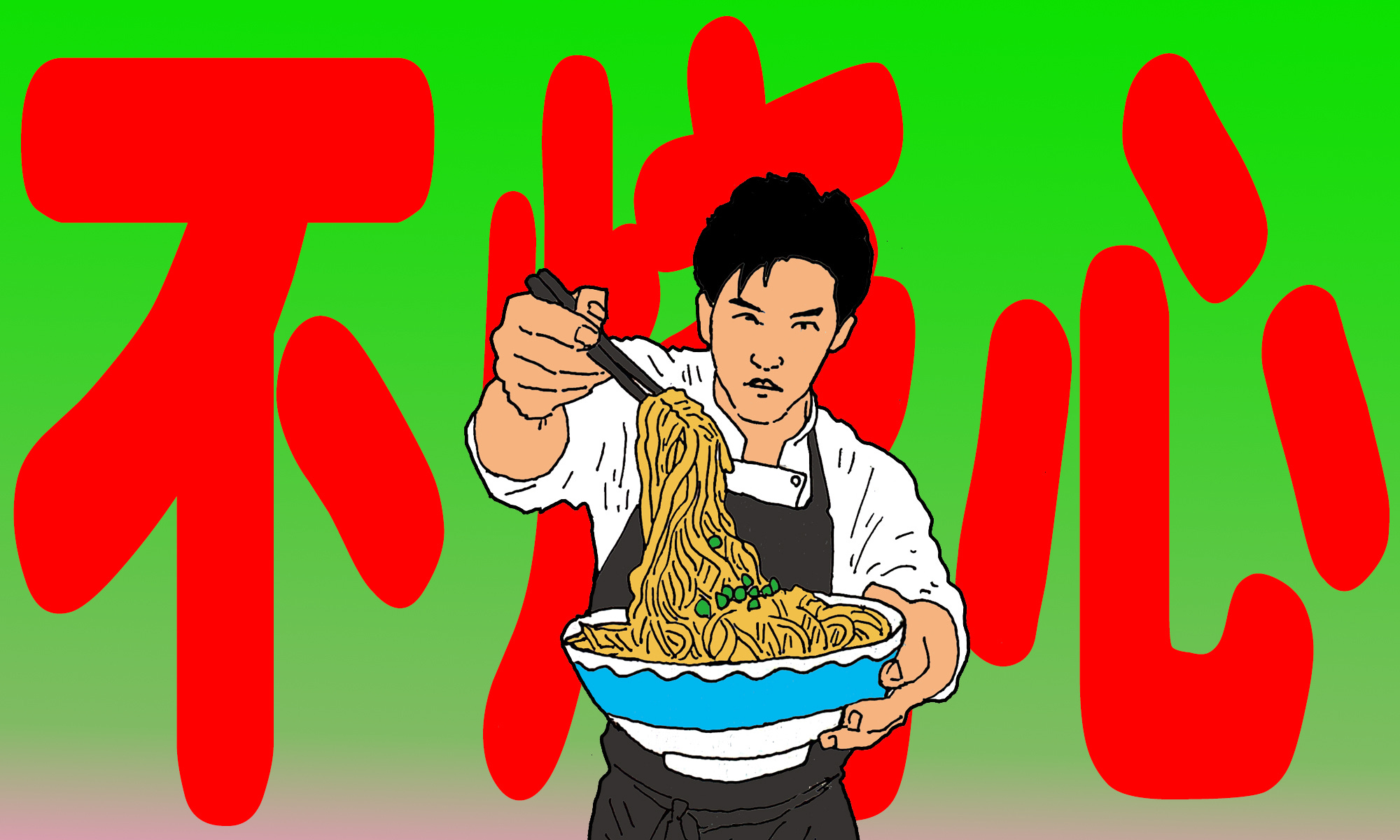
Our phrase of the week is: “It doesn’t give you heartburn” (不烧心 bù shāoxīn)
Context
Micro-dramas (短剧) have become hugely popular in China over the last few years. Episodes are typically 90 seconds to two minutes long. The format emerged on Douyin and Kuaishou around 2018. It grew rapidly during the pandemic in 2020 and 2021. And by 2024, the total revenue of the micro-drama industry overtook China’s box office for the first time.
Now micro-dramas are being transformed by AI, with more than 90% of the output being made using AI tools. These have made it cheap to adapt fantasy and sci-fi web novels that were once far too expensive to film. In the first half of 2026 alone, nearly 222,000 new AI micro-dramas went online, and 1,055 of them surpassed 100 million views.
And now AI micro-dramas are giving rise to new online slang. One such phrase seems to be everywhere online at the moment:
“It’s a bit on the pricey side, but it doesn’t give you heartburn.”
贵是贵了点,但吃了不烧心。
And with that we have our Sinica Phrase of the Week!
What it means
“It doesn’t give you heartburn” is a new internet meme. Broken down, it translates as “not” (不 bù), “burn” (烧 shāo), “heart” (心 xīn).
Together, “burn” and “heart” (烧心) mean “heartburn” as in the English, which is the burning feeling caused by excess stomach acid brought about by poor quality food or drink.
The phrase “it doesn’t given you heartburn” started out in a common micro-drama plot which features a street-food stall owner who insists on using good quality but more expensive ingredients. As his costs go up, he raises his prices to cover them. And customers drift off to the rival stall next door, which keeps prices low by using poor quality, cheaper ingredients.
Eventually, though, customers realise this end up coming back to the original street seller. Even though his prices are more expensive he is reliable, provides good quality, and his food “doesn’t give heartburn” (不烧心).
“It doesn’t give you heartburn” has now spread into everyday use. It took off as a meme across the Chinese internet in early October, and by October 16, videos under the Douyin topic had passed 2.84 billion views.
As it spread, the meaning has evolved to convey a sense of being “reliable” or “honest”, or someone or something which won’t let you down.
One writer at Sanlian Lifeweek (三联生活周刊) even applied it to a car:
“This car is a bit on the pricey side, but driving it doesn’t give you heartburn.”
这车贵是贵了点,但是开着不烧心。
In other words, it’s “reliable”.
The meme has even crossed the Taiwan Strait. Taiwan’s Want Daily (旺报) reported that it had become an all-purpose way of judging whether something is dependable.
It’s also used sarcastically, for example:
“Working overtime is a bit tiring, but it doesn’t give me heartburn.”
我加这个班,累是累了点,但是它不烧心。
Here it means “it’s not a big thing”.
The linguist Peng Jiafa (彭家法) says the phrase owes its success partly to the huge reach of short dramas. But it also reflects public concern about food safety. Its newer meanings, “reliable” (靠谱) and “honest” (讲诚信), describe exactly what consumers want, and are not sure they will get.
Which brings us back to the dramas themselves. Cheap, repetitive and churned out by the thousand, they are hardly high quality. But for the millions glued to their screens across China, they don’t give you heartburn.
Andrew Methven is the author of RealTime Mandarin, a resource which helps you bridge the gap to real-world fluency in Mandarin, stay informed about China, and communicate with confidence—all through weekly immersion in real news. Subscribe for free here.
