


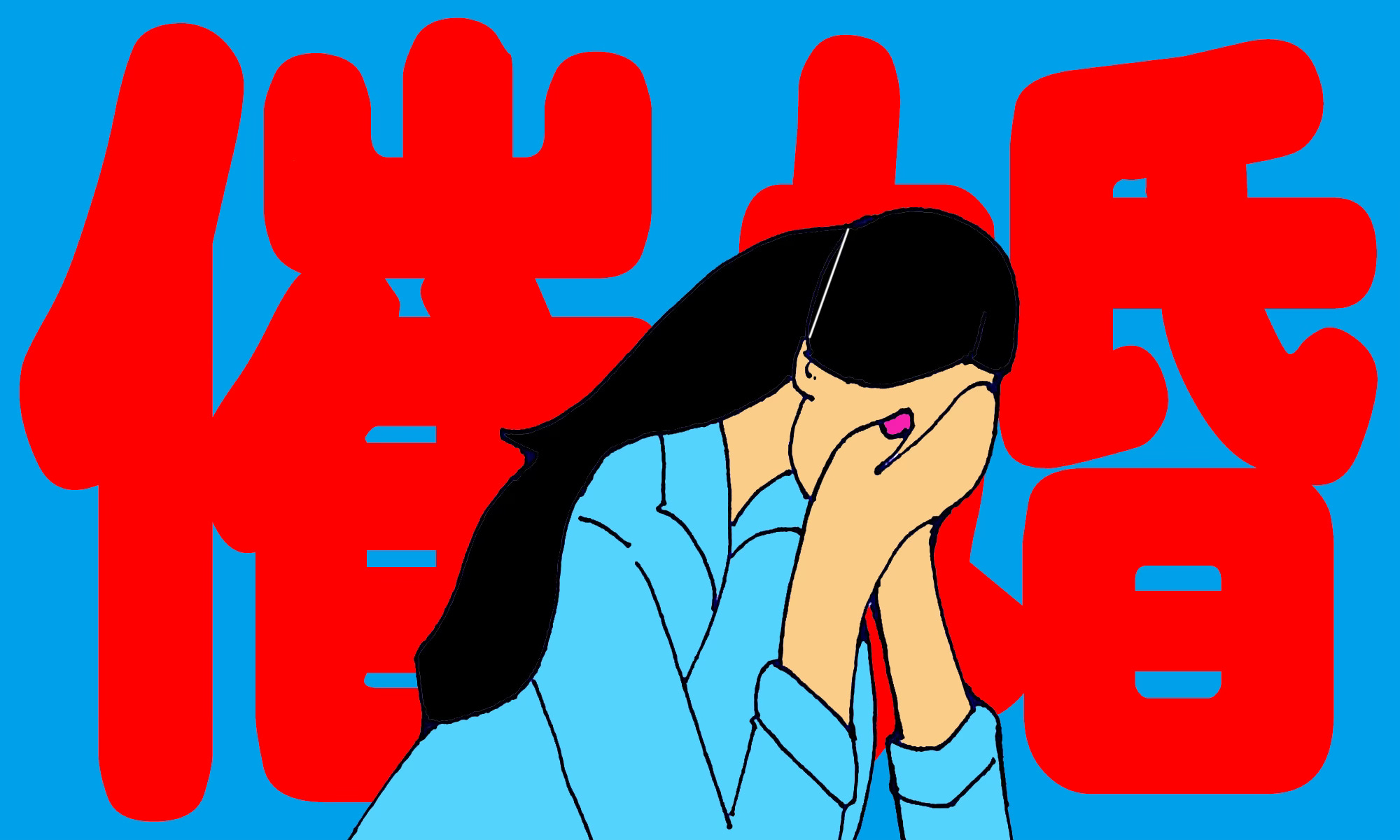
Our phrase of the week is: “marriage nagging” (催婚 cuī hūn)
Context
On the evening of December 10, 2025, news broke that Wei Huan (魏欢), a 28-year-old teacher in rural Henan, had taken her own life.
She jumped to her death from her bridal suite window the day before her wedding.
Moments before taking her own life, Wei posted on social media about the intense pressure she’d faced from her family for over 10 years to get married. In her parents’ view, she said, her biggest value to them was to get married.
What Wei described in her final words resonated with many women facing similar expectations as they near their late twenties, with discussions continuing in the weeks since:
Born in the country and educated in the city, many women return to their small-town roots only to be hit with an onslaught of marriage nagging, which has become the defining struggle for them.
生长于县乡,走出到城市读书又回到县城工作,随后面对扑面而来的催婚压力,这是许多县城女性正面临的境遇。
And with that, we have our Sinica Phrase of the Week.
What it means
“Marriage nagging” (催婚 cuī hūn) literally means “urge” (催), “marriage” (婚).
It’s when parents and relatives pressure unmarried young people—especially women—to get married. Women who reach 27 and remain unmarried often face relentless pressure from family.
While the term is modern, the practice has ancient roots.
To marry you, and therefore marriage pressure, became official policy in China in the Western Zhou Dynasty over 2,000 years ago. During the Spring and Autumn period (770-476 BCE), the State of Yue (越国) held parents criminally responsible if their children didn’t marry. The Han Dynasty (206 BCE-220 CE) imposed a five-fold poll tax on unmarried women over 15. The Jin Dynasty (266-420 CE) forced 17-year-old unmarried women into government-arranged marriages. The Tang Dynasty (618-907 CE) made local marriage rates part of officials’ performance evaluations. And the Song Dynasty (960-1279 CE) lowered the legal marriage age for women to 13.
This expectation is deeply embedded in Confucian values. Mencius famously said:
“There are three unfilial acts, and having no descendants is the worst”
不孝有三,无后为大。
These expectations create intense generational conflict today.
The older generation grew up with traditional values: marriage brings financial security (both long-term and short-term via betrothal gifts). And children are considered a pension plan when they grow up and start earning.
But post-90s and post-00s generations grew up amid constant modernisation, enjoying independence and wealth previous generations never experienced. For educated young women with jobs and financial independence, the clash is acute.
In rural areas and county towns like where Wei Huan lived, early marriage is the norm and competition for matches is intense. An unmarried woman in her twenties stands out, and can be seen as an embarrassment to her family.
The pressure comes from all sides: parents who threaten consequences, relatives who accuse her of being “unfilial” (不孝), and a community that sees independence as defiance.
Wei Huan’s tragic death is a reminder of the devastating consequences when such intense pressure meets unwillingness to comply.
The tragic death of Wei Huan is a stark reminder of how serious the consequences can be of these cultural expectations for women in China today.
Andrew Methven is the author of RealTime Mandarin, a resource which helps you bridge the gap to real-world fluency in Mandarin, stay informed about China, and communicate with confidence—all through weekly immersion in real news. Subscribe for free here.
