


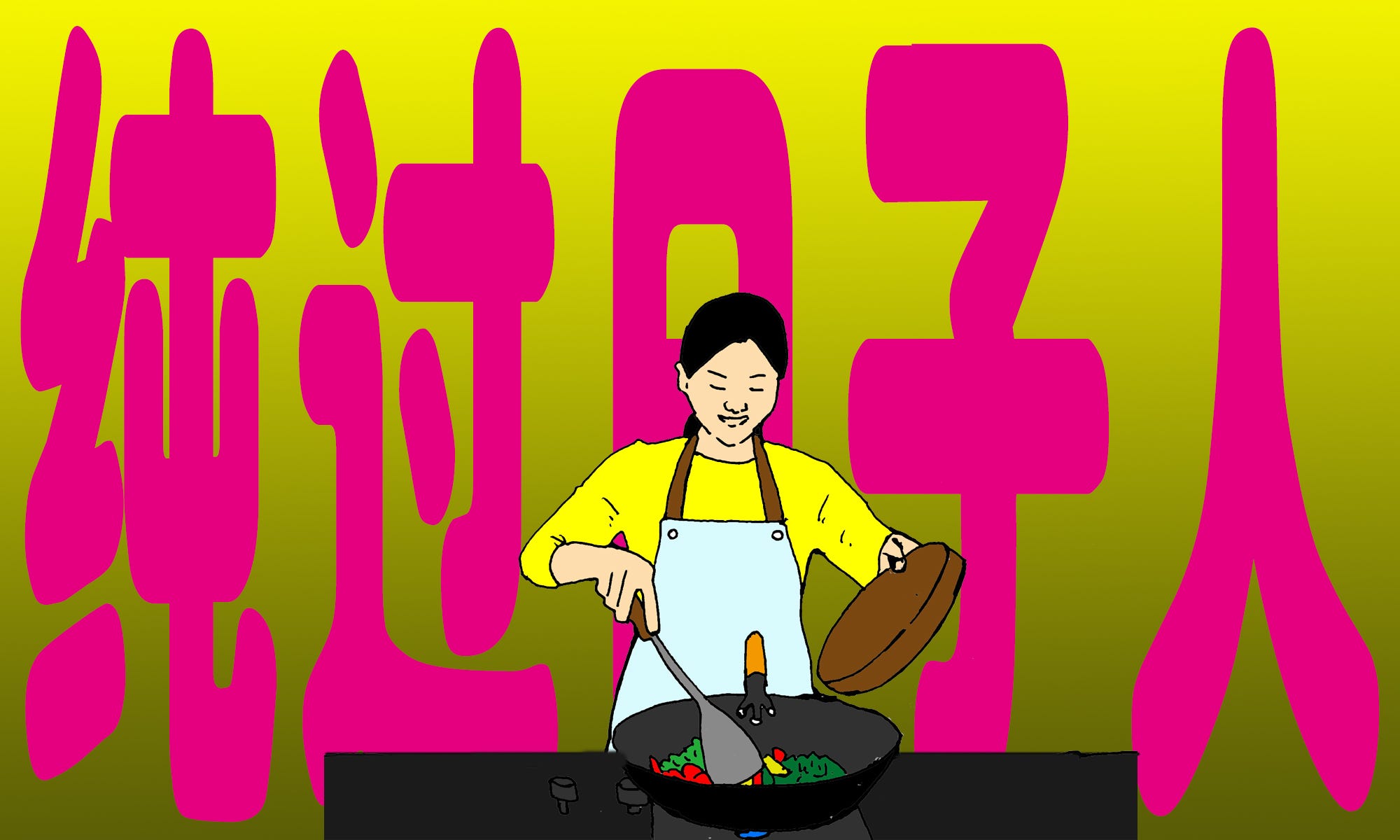
Our phrase of the week is: “simple lifer” (纯过日子人 chún guò rìzi rén)
Context
In early September, a new kind of lifestyle post hit China’s top trending lists on social media feeds, according to Southern Review (南风窗) Magazine.
Young people were posting long lists of everything they had said “no” to: no more “having things on their mind” (心里有事), no more pretending to have expensive “sophisticated, niche” taste (高级小众), and no more saving up for “luxury goods” (奢侈品).
These posts then go on to explain what’s replaced those “nos” in life. Which are simple pleasures, like “eating” (吃饭), “sleeping” (睡觉), “making money” (挣钱), and “watching AI micro-dramas” (涮AI短剧).
The people sharing these posts online still go to work and participate in life. They’ve just started to expect less from it, they’ve stopped spending money to impress others, and they’re focussed more on the simple pleasures in life.
And with this new lifestyle has come a new must-know phrase:
“What a simple lifer needs to do is to bring their attention back to the here and now.
Put simply, it means they stop living for tomorrow and start living for today.”
“纯过日子人”要做的,是把注意力收回到当下能确定的事情上。说白了,纯过日子就是从为明天活,转变成为今天活。
And with that, we have our Sinica Phrase of the Week.
What it means
“Simple lifer” is a new internet buzzword. It breaks down as “pure” or “simply” (纯 chún), “to live one’s days” (过日子 guò rìzi) and “people” (人 rén). Literally, it means “people who simply live their days”.
The phrase emerged on Chinese social media in August 2026, when young people began posting declarations that “we’ve officially entered the era of simple living” (全民进入纯过日子时代).
One post summed up the mood:
“From now on, no more tears, no more heavy heart, no more deep questions, no more fuss, no more overthinking…
I’m just going to live my life. ”
以后不哭了不心里有事了不想深奥问题,不闹了不分析了……纯过日子了。
The topic soon hit Weibo’s trending list, and many people started referring to themselves as “simple lifers” (纯过日子人).
Breaking the phrase down into its two parts is the best way to understand this new trend.
The first part is the character “simple” (纯). It’s a rejections of the complexities of modern city life such as the endless comparisons, the necessary performance, and the high expectations.
The second part of the phrase is “living” (过日子). This has a similar meaning to the older expression of “knowing how to live” (会过日子), which translates as “living frugally and budgeting carefully in an age of scarcity.” That was an essential part of life in China before the boom years of the reform era. And this old way of living frugally is becoming more relevant again as China’s economic downturn continues to bite.
So, these new “simple lifers” sit somewhere between “grinding away” (内卷) at work and “lying flat” (躺平) at home. And they are not the same as “rat people” (老鼠人), a phrase we covered last year, which describes young people retreating to bed with their phones and takeaways, cut off from the world.
The difference with “simple lifers” and these earlier trends is that these people still go out, they still go to work, and they still look after themselves. They’ve just stopped trying to keep up with others.
For them, it’s no longer about who has the bigger flat or the better car, but who has the smaller mortgage and who goes to bed earlier. Netizens have an elegant way of describing the attitude:
“Accepting your fate and still showing up.”
认命但没摆烂。
Which is exactly what defines this new group of “simple lifers”, with less performing, less competing and less worrying, and more focus on contentment and living in the now.
Andrew Methven is the author of RealTime Mandarin, a resource which helps you bridge the gap to real-world fluency in Mandarin, stay informed about China, and communicate with confidence—all through weekly immersion in real news. Subscribe for free here.
