


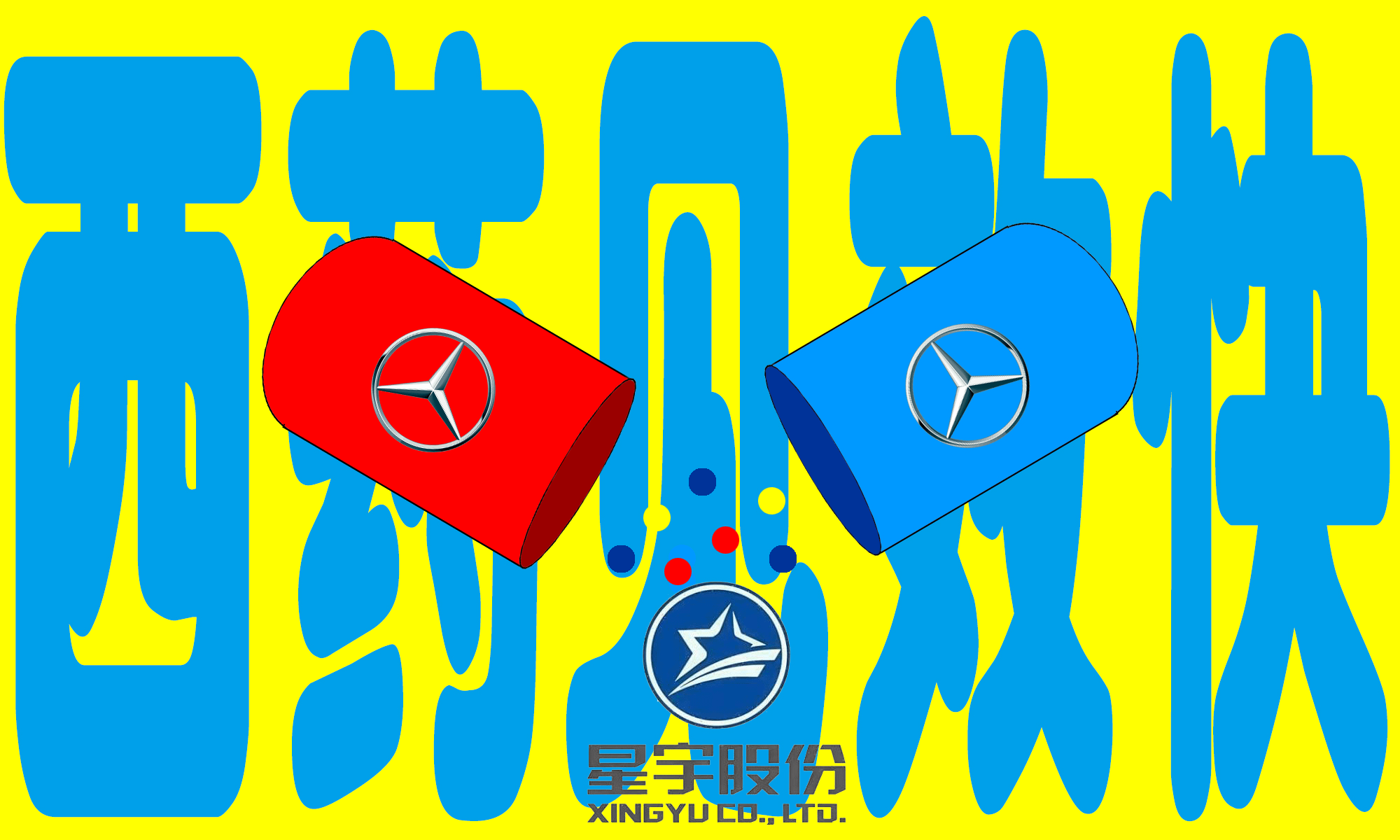
Our phrase of the week is: “Western medicine works faster” (西药见效快 xīyào jiànxiào kuài)
Context
In early August, 440 fresh graduates at a Chinese manufacturer were called into meeting rooms in small groups and given an hour to decide their future. They had started work a month earlier, hired into engineering and management roles.
The choice was to sign a voluntary resignation, take half a month’s pay, and go. Or be transferred to the production line to “tighten screws” (打螺丝). 107 of them took the offer.
The company was Xingyu (星宇股份), China’s largest car-lamp manufacturer and a major supplier to international automotive brands.
The graduates tried to complain to the company union, which did not respond. And the authorities did not step in either. So some of the graduates looked further afield. They submitted complaints to the Hong Kong Stock Exchange, where Xingyu had a listing application under review, and with the supplier whistleblowing channels at Mercedes-Benz, BMW and Volkswagen, all customers of Xingyu.
Mercedes-Benz responded to the complaint almost immediately. Then Xingyu’s local Human Resources Bureau did respond, and that forced an apology from Xingyu. The company admitted its management had made errors of judgement, and the HR director was suspended.
Observers in China watching all this unfold explained the chain of events with a newly coined phrase:
The comments on the coverage of this matter are almost universally along the lines of “western medicine does work faster.”
关于这件事的报道,基本上评论区都是清一色的”还是西药见效快”。
And with that, we have our Sinica Phrase of the Week.
What it means
“Western medicine works faster” is a five-character phrase which translates directly as “Western medicine” (西药 xī yào), “to take effect” (见效 jiàn xiào) - which is literally “to see” (见) plus “effect” (效) - and “fast” (快 kuài).
This expression is based on the observation that “Western medicine” (西药) acts quickly on the symptom, whereas “Chinese medicine” (中药) works slowly to deal with the underlying cause.
This received wisdom is captured in another set phrase: “treating the symptoms and not the root cause” (治标不治本). Which is the criticism usually levelled at the Western approach.
In this context, however, the “Western medicine” is seen as a positive. It’s a metaphor for the German carmakers acting under EU supply chain regulations. And once they moved, so did everyone else. The labour bureau’s investigation and the company’s apology both came after the complaints reached Europe and had an immediate effect.
So in the end, Xingyu’s response came not because of its Chinese employees, its union, or the regulator.
But because of its customers in Germany.
Andrew Methven is the author of RealTime Mandarin, a resource which helps you bridge the gap to real-world fluency in Mandarin, stay informed about China, and communicate with confidence—all through weekly immersion in real news. Subscribe for free here.
